Before anythingmoves, it's mapped.
Sales campaigns have a lot of moving parts. Planning is where we decide what those parts are, who carries them, where they go and when. Nothing about the field is improvised on day one.
- Territory mapping
- Staffing models
- Load lists
- Scheduling
- Site access
The moving pieces
- 01.1
Territory mapping
We break a market into workable ground: which blocks, plazas, retail frontages and venues can realistically produce conversations, at which hours, on which days.
- 01.2
Staffing model
Headcount per site, per shift, per day — with leads, coverage for absences and a clear chain of command before anything is booked.
- 01.3
Materials & load list
Every physical piece is listed before it is needed: tables, signage, print, storage, transport cases and the truck or van space they occupy.
- 01.4
Permissions & site rules
Property access, venue requirements and site restrictions are confirmed in advance so a crew never arrives somewhere it cannot work.
- 01.5
Daily schedule
Load-in, setup, engagement windows, breaks, breakdown, reporting. A plan is a timetable people can actually follow, not a deck.
A plan is only
as good as the
day it survives.
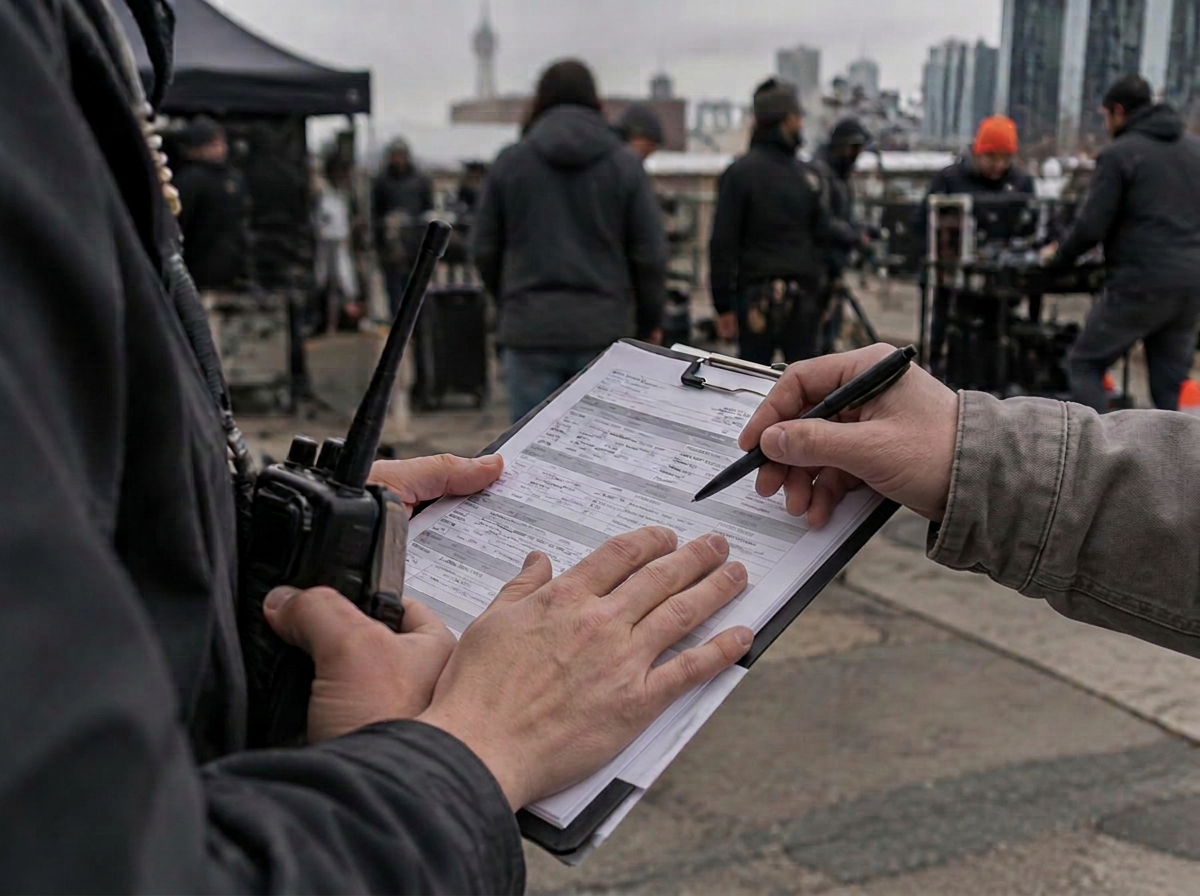
We plan for the version of the day that goes wrong: weather, a site that changes its mind, a crew member who calls out, traffic that eats an hour of load-in. Contingencies are written into the schedule, not invented on the sidewalk.
Next on the route · Phase 02
Coordinate